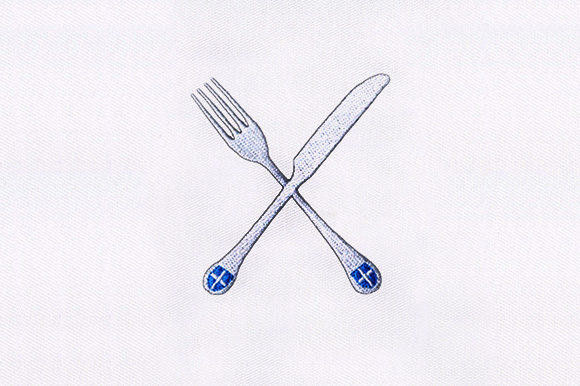
Fork and Knife Embroidery Design
First Impressions of Fork and Knife
The Fork and Knife design immediately conveys a sense of professionalism and simplicity. Its clean lines and straightforward visual language make it ideal for small business merch, custom apparel, and branded patches. The design feels modern yet timeless, fitting well in both casual and semi-formal settings. Whether used as an apron embroidery or a cap embroidery, it maintains a polished appearance that aligns with a variety of brand identities.
As a machine embroidery design, Fork and Knife offers versatility. It can be adapted to different sizes and applications without losing its clarity. This makes it a strong choice for handmade products, boutique merchandise, and printable mockups that require visual consistency across various materials and formats.
Real Business Use of Fork and Knife
Small business owners, Etsy sellers, and crafters will find Fork and Knife useful for a wide range of applications. As an embroidered patch, it adds a subtle yet recognizable touch to uniforms, tote bags, and product packaging. When used on staff uniforms or work shirts, it reinforces brand identity and creates a cohesive look that customers associate with quality and reliability.
In the kitchen category, Fork and Knife is particularly effective as a design asset for food-related businesses. A bakery, café, or florist could use it on apron embroidery or event merch to create a thematic connection with their offerings. For a pet brand or local business, it serves as a memorable emblem that enhances visual branding and customer recognition.
When used on caps, tote bags, or custom apparel, Fork and Knife maintains its legibility and appeal. Its simplicity ensures it doesn’t overwhelm the design space, making it suitable for both minimalist and layered styles. The design also works well as a sleeve detail or chest logo accent, adding a professional edge to any garment.
Where to Use Fork and Knife Carefully
While Fork and Knife is versatile, there are certain scenarios where it may not perform as well. On small patch sizes, the design might lose some of its detail, especially if the stitch density is too high. It’s important to test the embroidery file at reduced scales before committing to production.
Curved surfaces, such as those found on caps or curved logos, can sometimes distort the design. If used on a cap front, ensure the hoop size allows for proper placement and that the fabric texture won’t interfere with the finished product. Tiny lettering or intricate outlines may not translate well on textured fabrics or dark uniforms, so testing on actual material is essential.
High stitch density can cause the design to feel stiff or bulky, which may affect comfort and durability. Always review thread colors for contrast and ensure they match the intended fabric. Using the right stabilizer and proper hoop size will help maintain the integrity of the design during the embroidery process.
Impact on Brand Identity and Customer Trust
Fork and Knife contributes to a strong brand identity by offering a clear and consistent visual element. When used across multiple platforms—such as tote bag designs, product labels, or customer gifts—it reinforces brand recognition and builds trust with consumers. A well-executed embroidery design like this can elevate the perceived value of a handmade product or small business merch.
For a boutique or creative studio, the design adds a touch of professionalism that complements other design assets. It can serve as a foundation for printable mockups, ensuring that all branded items maintain a cohesive look. This level of visual consistency helps create a stronger emotional connection with customers, increasing engagement and loyalty.
As a commercial embroidery project, Fork and Knife is adaptable to different scales and applications. Whether used on apron embroidery or as part of a larger custom apparel collection, it provides a reliable and recognizable symbol that aligns with the business’s image and values.
Practical Tips for Embroidery Designers
Before finalizing the design for production, always test it in black and white to assess its clarity and balance. Check how it looks at small patch sizes to ensure it remains legible and visually appealing. Review thread color contrast to avoid issues with visibility on different fabric types.
Inspect spacing and ensure the design fits within the required hoop size. Test the embroidery file on real fabric to see how it performs under actual conditions. Use the appropriate stabilizer to prevent puckering or distortion, especially on delicate or stretchy materials.
Create a printable mockup for client approval to ensure the design meets expectations. Compare it with other design assets to maintain visual harmony across all branded items. Confirm commercial licensing before using the embroidery file for business purposes to avoid legal complications.
Conclusion: Fork and Knife as a Business Asset
Fork and Knife is a valuable addition to any small business merch strategy. Its clean, professional look makes it suitable for a wide range of applications, from apron embroidery to tote bag design. As a machine embroidery design, it offers flexibility and adaptability, allowing businesses to create a consistent and recognizable brand presence.
By following best practices and considering practical limitations, embroidery shops and crafters can maximize the potential of Fork and Knife. Whether used for custom apparel, event merch, or product packaging, it delivers a polished and professional finish that enhances the overall quality of the finished product.