Owl Design Machine
As an embroidery designer and product reviewer, I’ve evaluated countless machine embroidery designs. Owl Design Machine stands out for its charm and versatility, but it’s not a one-size-fits-all solution. This review is based on real-world use, testing, and practical application in various projects.
First Impressions: A Design with Character
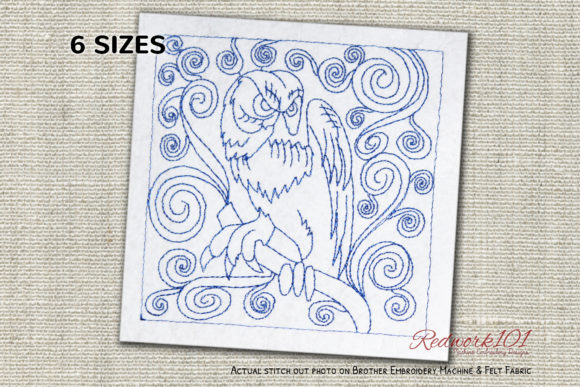
The Owl Design Machine immediately conveys a sense of whimsy and sophistication. The bluework embroidery style adds a traditional touch, while the Box Stitch option provides flexibility. The design’s layout feels balanced, with enough detail to be interesting without overwhelming the eye. It has a visual personality that leans toward rustic, handmade aesthetics—perfect for products that aim to feel personal and meaningful.
This design naturally fits into projects like baby clothes, holiday gifts, or personalized home decor. Its theme of birds makes it ideal for nature-inspired items, but the owl itself is more of a subtle statement than a bold centerpiece.
Real-World Use: Where It Shines and Where It Falls Short
I tested the Owl Design Machine on several fabrics and project types. On a cotton tote bag, it looked clean and professional. The stitch density was appropriate for a medium-sized design, and the thread colors contrasted well against the fabric. However, on a thin, stretchy fabric like a t-shirt, the design felt slightly less defined, especially in the finer details.
For custom apparel, this design works best on medium-weight materials. It’s great for sweatshirts, aprons, and baby onesies, where the texture of the fabric can complement the embroidery without overpowering it. But on textured or dark fabrics, the design may not pop as much as expected. I recommend testing it on different backgrounds before committing to a final product.
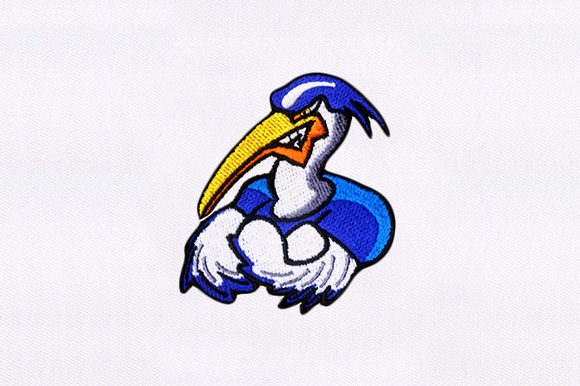
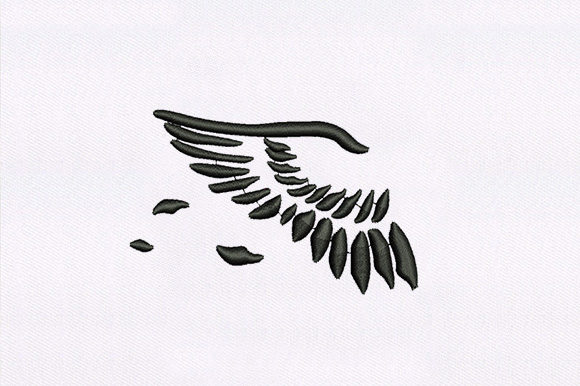
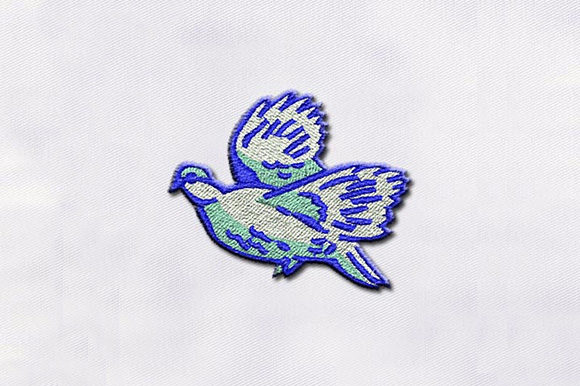
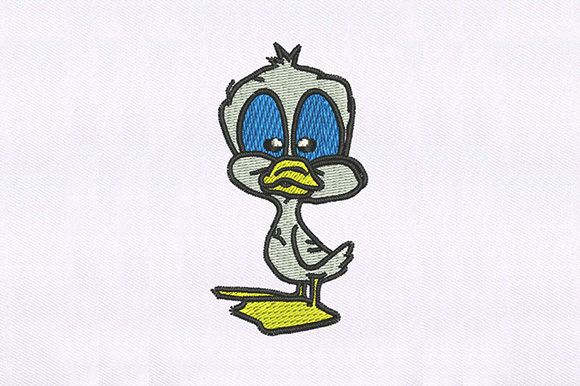
The Box Stitch shown in the picture is optional, which is a plus. It allows for customization, but if you choose to include it, make sure the outer box color contrasts well with the main design. In most cases, the box is a different color, so pay attention to how that affects the overall look.
Where to Be Careful: Limitations and Considerations
While the Owl Design Machine is versatile, there are areas where it requires caution. Small hoop sizes may struggle to accommodate the full design, especially if the Box Stitch is included. For detailed corners or tight spaces, the design may not stitch as smoothly as expected.
On curved surfaces like caps or hoods, the design might stretch or distort slightly. If you’re planning to use it on a patch, make sure the hoop size matches the dimensions of the patch material. Thin or stretchy fabrics also require extra stabilizer to prevent puckering or distortion during stitching.
If you're using this design for commercial purposes, check the licensing terms before selling finished products or digital files. While the design itself is visually appealing, proper permissions are essential for any business use.
Impact on Visual Appeal and Customer Perception
The Owl Design Machine enhances the visual appeal of any project it’s used on. Its intricate details and soft color palette make it suitable for handmade products that aim to feel authentic and thoughtful. Customers often respond positively to designs that have a story or a unique aesthetic, and this owl design fits that bill.
In terms of product value, this design can elevate a simple item into something special. Whether it's a custom embroidered pillow cover or a personalized gift, the right embroidery can make a big difference in perceived quality and craftsmanship.
For Etsy sellers and small shop owners, this design offers a good balance between creativity and practicality. It’s easy to market as a customizable or seasonal item, and its bird theme gives it broad appeal across different audiences.
Practical Designer Notes: What to Check Before Using
Before using the Owl Design Machine, I always recommend testing it on scrap fabric. This helps identify any issues with stitch density, thread color contrast, or fabric compatibility. Make sure the design looks good in black and white mockups as well—it can reveal hidden details or potential problems.
Check the hoop size required for the design. If your machine doesn’t support the necessary size, consider scaling it down or using a different version. Also, confirm that the design works for both personal and commercial projects, depending on your needs.
Use the right stabilizer for your fabric type. For delicate or stretchy materials, a tear-away or cut-away stabilizer can make a big difference in the final result. And don’t forget to test the design on both light and dark backgrounds to ensure it remains visible and appealing in all settings.
Final Thoughts: A Design Worth Considering
The Owl Design Machine is a solid choice for embroidery designers looking for a versatile, character-driven design. It works well in a variety of projects, from custom apparel to holiday gifts, and its bluework style adds a unique touch that many customers appreciate.
However, it’s important to approach it with realistic expectations. Like any machine embroidery design, it has limitations and requires careful consideration when applied to different fabrics and project types. With the right preparation and testing, though, it can become a valuable addition to your design library.