Paw: A Versatile Embroidery Design
As an embroidery designer and product reviewer, I’ve seen my fair share of machine embroidery designs. But when I first laid eyes on Paw, I knew it had potential. This design isn’t just another dog-themed pattern—it’s a well-crafted piece that can elevate a variety of projects. Whether you're working on custom apparel, baby items, or small business merchandise, Paw offers a level of detail and adaptability that makes it stand out.
The First Impression: A Lively, Playful Mood
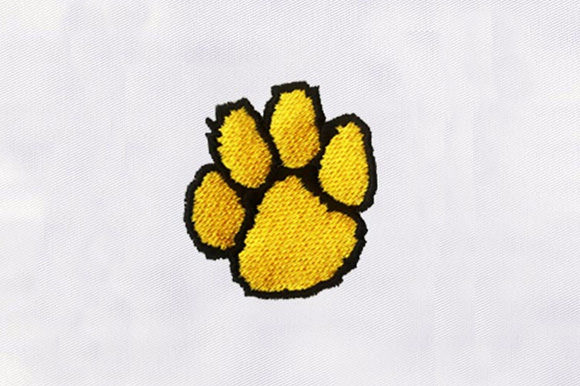
Paw immediately conveys a sense of energy and playfulness. The design features a stylized paw print that feels both modern and nostalgic. Its layout is clean, with a strong central focus that makes it ideal for centerpieces on garments or accessories. The shape is simple enough to work on various fabric types but detailed enough to add visual interest without overwhelming the space.
This design has a friendly, approachable personality that would fit well in children's clothing, pet-related products, or even as a subtle accent on adult wear. It’s not overly complex, which means it can be used in a wide range of applications without feeling out of place.
Real-World Use Cases: From Tote Bags to Baby Onesies
Imagine you’re preparing a custom embroidered tote bag for a client who wants something unique yet practical. Paw could be the perfect addition. On a cotton canvas tote, it would look fresh and modern. The design’s simplicity allows it to be easily adapted to different sizes and placements, making it a flexible choice for any project.
For baby items, like onesies or blankets, Paw adds a touch of charm without being too busy. The design’s soft edges and clear lines make it suitable for delicate fabrics, and its size can be adjusted to fit small spaces. It also works well as an embroidered patch, giving it a more durable and reusable form.
On sweatshirts or t-shirts, Paw can be a standout feature. The design’s structure allows it to hold up well under repeated washes, especially if you use the right stabilizer and thread colors. It’s also great for holiday or seasonal projects, where a simple, recognizable design can make a big impact.
Where to Be Careful: Limitations and Considerations
While Paw is versatile, there are some situations where it may not perform as well. For example, on small hoop sizes, the design might require careful placement to avoid cutting off details. If you're working on textured or stretchy fabrics, you’ll need to ensure the stabilizer is sufficient to prevent puckering or distortion.
On dark fabrics, the contrast between the design and the background may need adjustment. If you’re using a light-colored thread on a dark base, the design could appear washed out. Similarly, on thin or lightweight materials, extra care should be taken to avoid holes or visible stitching through the fabric.
If you're planning to use Paw on curved surfaces like caps or hats, the design may need some minor adjustments to fit properly. Also, if the design includes small details or lettering, make sure those elements are clearly defined and won’t get lost during the stitching process.
Visual Appeal and Customer Perception
Paw has a clean, professional look that can enhance the value of any handmade product. When stitched correctly, it adds a polished touch that customers will appreciate. It’s especially effective for personalized gifts, where the design can be paired with names, dates, or other custom text to create a meaningful keepsake.
From a commercial standpoint, Paw can help build brand consistency. If you’re an Etsy seller or small shop owner, having a reliable, high-quality design like this can set your products apart from others. It also helps with buyer engagement, as the design is visually appealing and easy to recognize.
When used in printable mockups or digital product previews, Paw maintains its clarity and appeal. This makes it a valuable asset for marketing and sales, whether you're showcasing it on your website or sharing it on social media.
Practical Designer Notes: Testing and Preparation
Before using Paw in any project, always test it on scrap fabric. This will help you see how the design looks on different materials and identify any issues early on. Pay attention to stitch density—too much or too little can affect the final result.
Check the thread color contrast against your chosen fabric. Some colors may not show up well on certain backgrounds, so it’s important to choose wisely. Also, review the hoop size required for the design. If it’s too large for your machine, consider resizing it or adjusting the layout.
Inspect small details like corners and edges to ensure they’re sharp and well-defined. Test the design in black and white mockups to see how it translates without color. Compare it on both light and dark fabrics to understand how it will look in different contexts.
Finally, make sure you have the right stabilizer for your project. Proper support is crucial for maintaining the integrity of the design, especially on delicate or stretchy fabrics. Always confirm the licensing terms before selling finished items or digital products, to avoid any legal issues down the line.
Final Thoughts: A Solid Choice for Many Projects
Paw is a well-designed machine embroidery design that offers flexibility and style. It’s ideal for a wide range of applications, from custom apparel to personalized gifts. With proper preparation and testing, it can become a valuable addition to any embroidery project or product lineup.
Whether you're an experienced designer or just starting out, Paw is worth considering for your next embroidery endeavor. Its balance of simplicity and detail makes it a reliable choice for both personal and commercial use.