Sad Bear Embroidery Design Review
First Impressions of Sad Bear
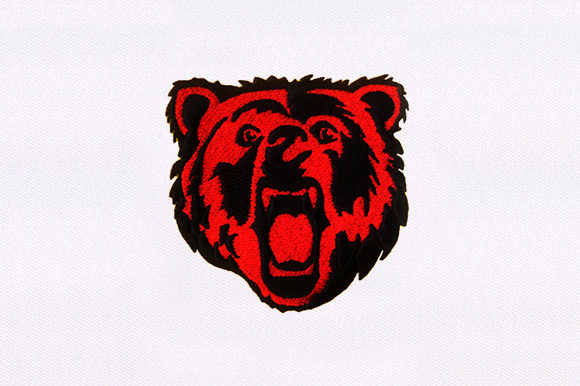
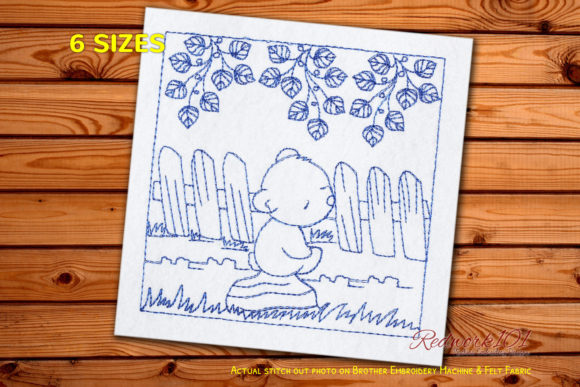
The Sad Bear design immediately conveys a gentle, melancholic mood. Its simple yet expressive shape captures the essence of a bear in a quiet moment, making it ideal for projects that aim to evoke emotion or nostalgia. The layout is balanced, with clear visual hierarchy and enough detail to stand out without being overwhelming.
This design feels like it belongs on custom apparel, baby items, or personalized gifts. Its soft lines and subtle expression make it versatile enough for both casual and more thoughtful applications. Whether you're creating a handmade product for a boutique or a unique gift for a client, Sad Bear has the potential to resonate emotionally with the end user.
Real-Life Use Cases for Sad Bear
Imagine preparing a custom embroidered tote bag for a client who wants something meaningful. Sad Bear could be the perfect focal point, adding a touch of personality and charm. It would work well on a sweatshirt or t-shirt, especially if the design is placed in a prominent area like the chest or back.
For baby items, such as onesies or blankets, Sad Bear offers a gentle, non-threatening look that parents might appreciate. It also fits naturally into holiday or wedding-themed embroidery, where emotional storytelling plays a key role.
In a craft business or Etsy shop, this design could serve as a digital product preview or a printable mockup. Its simplicity makes it easy to adapt to different sizes and formats, which is helpful for small shop products or commercial embroidery projects.
Performance in Different Embroidery Situations
When working with Sad Bear, keep in mind that stitch density and thread color contrast are important factors. The design uses a mix of satin and fill stitches, which can affect how it looks on different fabrics. On textured or stretchy materials, the design may not sit as smoothly as on a smooth, stable fabric.
On dark fabrics, the design’s details may appear less defined, so consider adjusting thread colors or using a contrasting shade for better visibility. For thin or delicate materials, a proper stabilizer will help prevent puckering or distortion during stitching.
Small hoop sizes may limit the design’s full potential, especially if the bear’s features are detailed. If you're planning to use Sad Bear on curved surfaces like caps or hats, test it first to ensure the design maintains its shape and clarity.
Where to Use Sad Bear Carefully
While Sad Bear is a strong design, there are situations where it may not perform as well. For example, on products that require frequent washing, the design’s durability should be tested. Tiny lettering or decorative accents within the design may not hold up under heavy use or repeated laundering.
If you’re planning to use Sad Bear on layered garments or items with multiple fabric layers, ensure that the design doesn’t get lost or distorted. Similarly, on curved surfaces or areas with limited space, the design’s proportions may need adjustment to maintain visual balance.
Impact on Visual Appeal and Customer Perception
Sad Bear has the potential to elevate the visual appeal of any project it’s used on. Its emotional tone adds depth to handmade products, making them more memorable and engaging for customers. When used effectively, it can enhance the value of a finished product and build trust with buyers who appreciate thoughtful design.
For a small shop product or an Etsy listing, Sad Bear can contribute to brand consistency by offering a recognizable and cohesive aesthetic. It also supports the giftability of your work, as its emotional resonance makes it a good choice for personalized gifts or holiday items.
As a designer, understanding how Sad Bear affects the overall presentation of your work is key. A well-executed embroidery project featuring this design can boost buyer engagement and encourage repeat purchases.
Practical Designer Notes for Using Sad Bear
Before committing to a full project, always test Sad Bear on scrap fabric. This helps you assess how the design looks on different materials and identify any potential issues early on.
Review the stitch density to ensure it’s appropriate for your intended use. If the design is too dense, it may cause fabric puckering or thread breakage. Adjusting the density or using a different stitch type can improve the outcome.
Confirm the hoop size required for the design. If it’s larger than your machine can handle, consider breaking it into sections or resizing it appropriately. Check for small details that may be difficult to see or stitch, especially on light or dark backgrounds.
Use proper stabilizer to support the fabric during stitching, particularly on delicate or stretchy materials. Also, verify that the design works for both personal and commercial projects, and confirm the licensing terms before selling finished items or digital products.
Final Thoughts on Sad Bear
Sad Bear is a thoughtful and versatile embroidery design that can fit a wide range of projects. Its emotional appeal and clean layout make it a valuable addition to any designer’s library, whether you're working on custom apparel, baby items, or small shop merchandise.
By paying attention to practical considerations like fabric type, stitch density, and stabilizer use, you can maximize the design’s impact and ensure it meets the expectations of your clients or customers. With the right approach, Sad Bear can become a standout element in your embroidery work and a reliable asset for your craft business.